Booking separate tickets for connecting flights, known as self-transfer flights, can be a cost-effective way to travel. However, it comes with its own set of challenges and risks. From managing separate contracts to dealing with baggage and immigration, there are several factors to consider. This checklist will guide you through the essential steps to ensure a smooth self-transfer journey.
Understand Separate Contracts
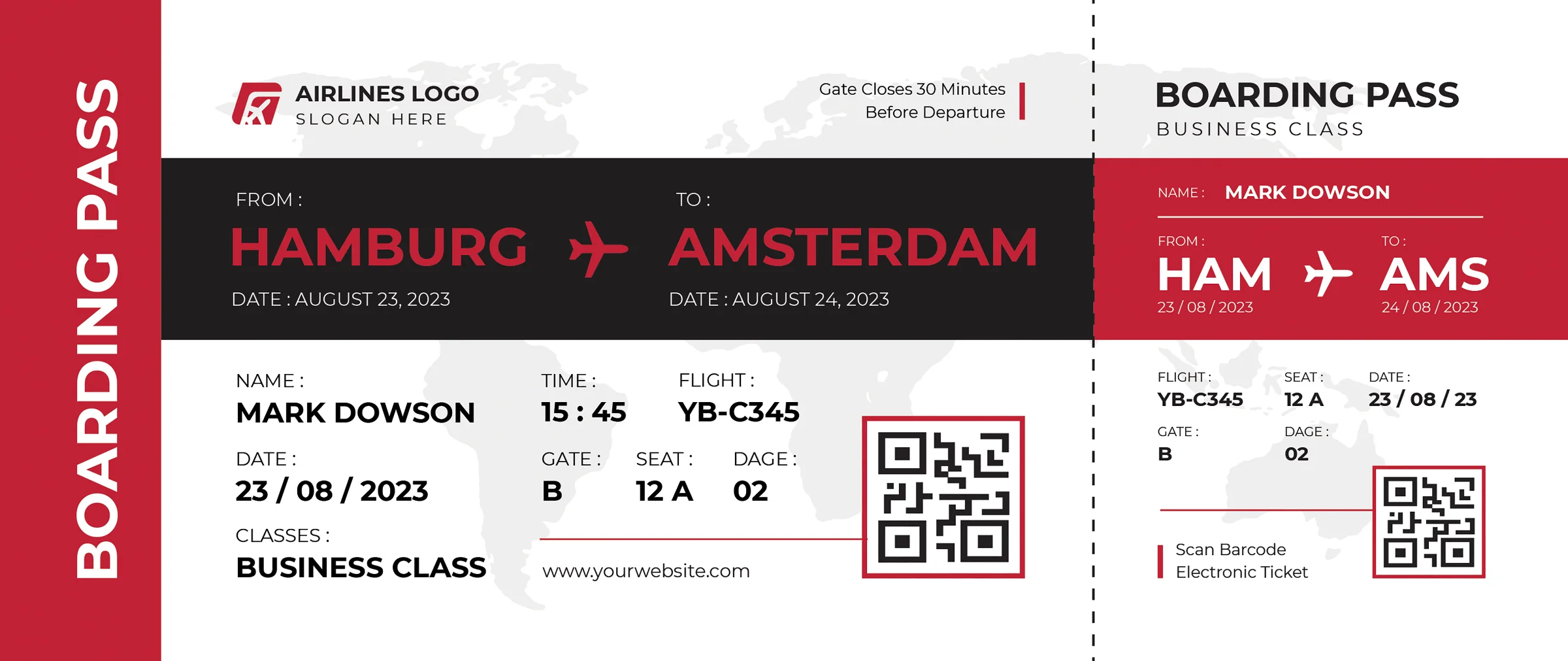
When you book self-transfer flights, each ticket is a separate contract. This means that if you miss a connection, the airline for your next flight is not obligated to accommodate you. It's crucial to understand this risk and plan accordingly.
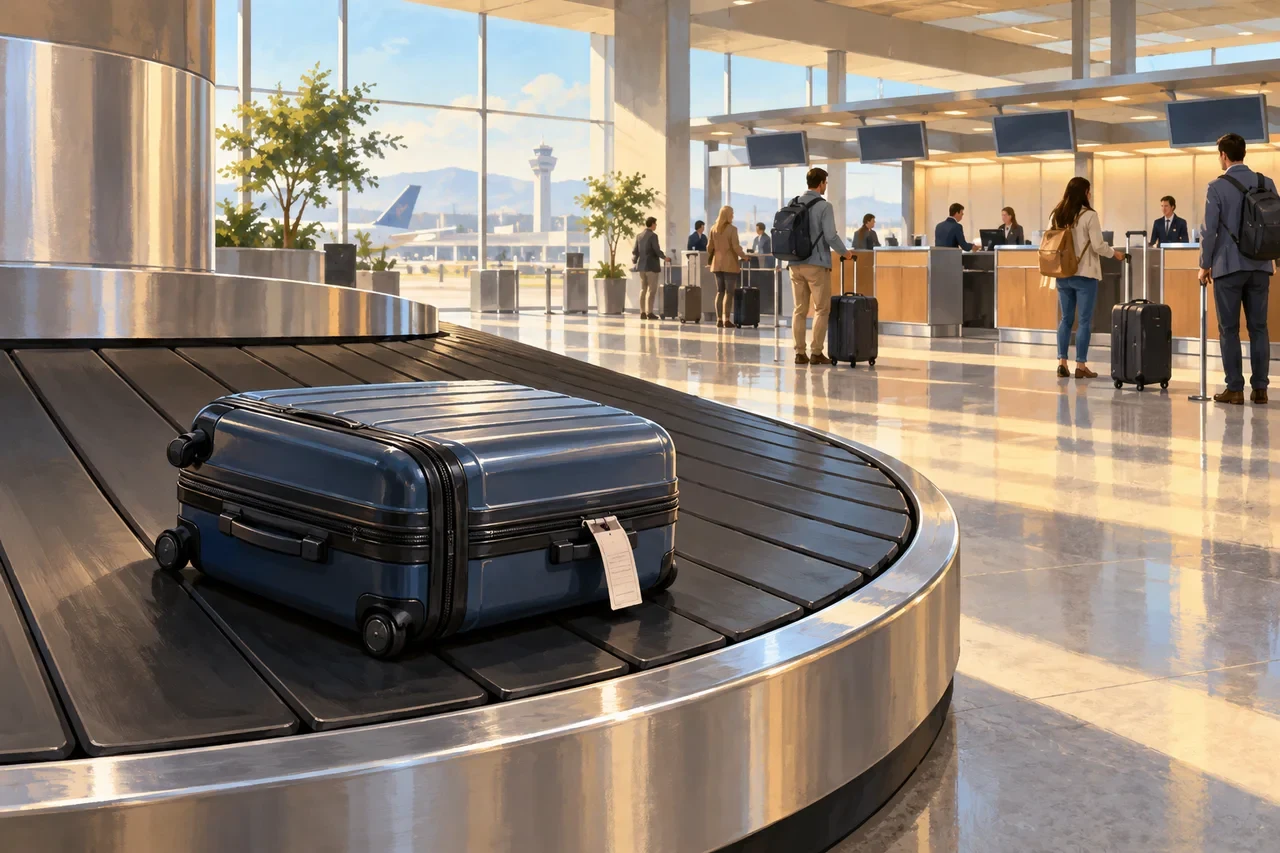
Reclaim and Recheck Baggage
With self-transfer flights, you will likely need to reclaim your baggage at your first destination and check it in again for your next flight. This process can be time-consuming, so ensure you have enough time between flights.
Steps to Manage Baggage:
- Verify baggage policies for each airline, as they can differ significantly.
- Check if the airport offers baggage transfer services for self-transfer passengers.
- Allow extra time for baggage claim and recheck, especially during peak travel times.
Plan for Immigration and Security Checks
If your self-transfer involves international flights, you may need to go through immigration and security checks at your transfer airport. This can add significant time to your transfer process.
Consider the Following:
- Research visa requirements for your transfer country. Some countries require a transit visa even if you don’t leave the airport.
- Check airport layouts and security procedures to estimate the time needed for these processes.
Terminal Changes and Airport Layout
Changing terminals can be a major factor in your transfer time. Some airports are massive, and moving between terminals can take a considerable amount of time.
Checklist for Terminal Changes:
- Check the airport map and terminal information in advance.
- Look for shuttle services or walking paths between terminals.
- Consider the time of day and potential congestion at the airport.
Buffer Planning for Missed Connections
Since airlines are not responsible for missed connections on separate tickets, it's wise to plan a buffer time between flights. This buffer can help mitigate the risk of delays.
Tips for Buffer Planning:
- Allow at least 3-4 hours between flights, especially if you need to clear customs or change terminals.
- Consider purchasing travel insurance that covers missed connections.
- Have a backup plan, such as knowing the next available flight or alternative routes.
Verify Current Airport and Visa Rules
Airport and visa regulations can change, so it’s important to verify the current rules before you travel. This includes checking for any COVID-19 related restrictions or requirements.
Steps to Stay Updated:
- Visit the official airport website for the latest information on terminal operations and services.
- Check government websites for visa requirements and travel advisories.
- Sign up for alerts from your airline for any changes to your flight schedule.
By following this checklist, you can navigate the complexities of self-transfer flights with greater confidence and reduce the risk of unexpected issues during your journey.